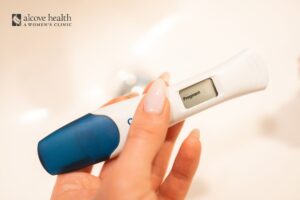
A pregnancy test is the best first indicator of pregnancy, but you can get a positive pregnancy test with a...
Read MoreSame Day Appointments Available

Same Day Appointments Available
A miscarriage is the loss of a baby before the 20th week of pregnancy. The medical term for a miscarriage is spontaneous abortion. But it isn’t an abortion in the common meaning of the term. About 15%-25% of recognized pregnancies will end in a miscarriage, and most of them occur in the first 12 weeks of pregnancy.
Miscarriages can happen for a variety of medical reasons, many of which aren’t within a person’s control. Working, exercising, having sex, or taking birth control pills before getting pregnant do not cause early pregnancy loss. Some women believe that it was caused by a recent fall, blow, or even a fright. In most cases, this is not true.
But knowing the signs can help you to better understand the event and get any support or treatment you may need. In some cases, it happens so quickly that you may not even know you were pregnant before you miscarry. Here are some of the symptoms of a miscarriage: heavy spotting, vaginal bleeding, discharge of tissue or fluid from your vagina, severe abdominal pain or cramping, mild to severe back pain. It’s also possible to have these symptoms without experiencing a miscarriage.
This pregnancy loss can produce a variety of difficult feelings. We encourage you and your partner to seek help from your OBGYN doctor, another healthcare professional, support group, or counselor.
A pregnancy test is the best first indicator of pregnancy, but you can get a positive pregnancy test with a...
Read MoreA chemical pregnancy (or biochemical pregnancy) is a very early miscarriage. How do you know if you have a chemical...
Read MoreWe understand the fear that comes with a pregnancy after a loss. We know you’re making a big decision while...

Read MoreWomen can experience emotional affects from their abortions, like depression and other mental health difficulties. Rather than asking how you...
Read More