Are you in the process of choosing and OB/GYN? Check out these 8 questions that will help you get it...
Read MoreSame Day Appointments Available
Same Day Appointments Available
October is Breast Cancer Awareness month. So, what do you need to know?
Breast cancer is the second most common type of cancer in women. In fact, it accounts for 30% of all new female cancers each year. This means one out of 8 women will be diagnosed with breast cancer in their lifetime.
While it is true that a majority of women who develop breast cancer are ages 45 and above, women of ALL ages can develop breast cancer. And did you know, men can have breast cancer too!
The good news is, if caught early, the 5-year survival rate is 99%. This is why it is so important for you to know what YOU should be doing to protect and monitor your breast health.
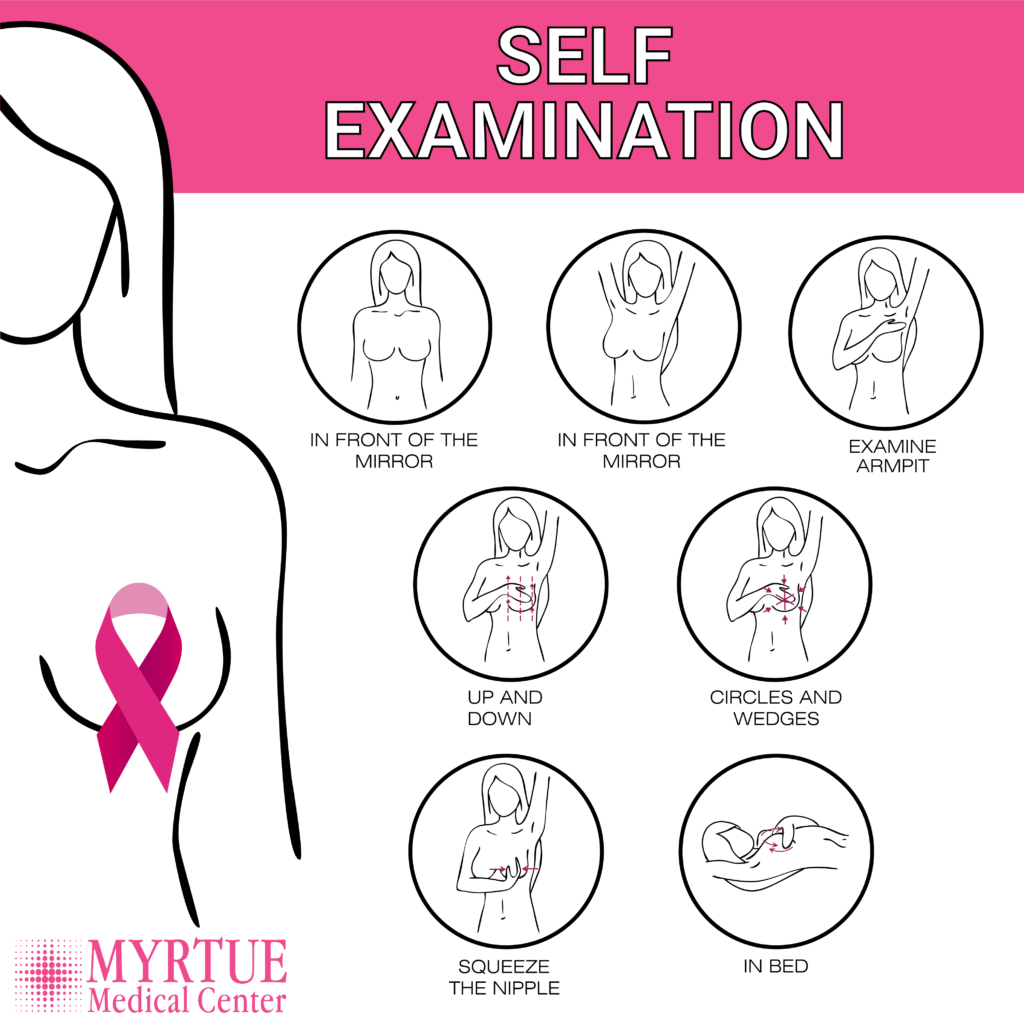
Self-breast exams are easy! They are a tool to help you check for signs and symptoms of breast cancer.
Women of ALL AGES should perform monthly self-breast exams. This is an easy step you can take to protect your health.
A few days after your period ends, you should do a thorough visual and physical check of your breasts. If you are post-menopausal or no longer having periods, just pick one day each month and perform your exam on that same day each month.
Your goal is to become familiar with the size, shape, and texture of your breasts. This helps you keep track of any changes that may occur over time.
When performing a self-breast exam, you are looking for things like lumps, bumps, changes in texture, sore spots, nipple discharge, dimpling or lesions on the skin. If you notice any changes, you should alert your healthcare professional.
A mammogram is a low dose x-ray that is used to look at your breast tissue. This is an excellent way to detect early signs of breast cancer BEFORE you even have symptoms.
It is recommended that women begin getting annual mammograms at age 40. If you have a family history of breast cancer, or have had any breast changes, your healthcare provider may want you to begin mammograms at an earlier age. It is important that you discuss your breast cancer risk with your doctor to determine when YOU should begin getting mammograms.
There are some risk factors for breast cancer, like age, ethnicity and genetics, that you cannot control. But there are many things you can do to help minimize your risk of developing breast cancer. You should:
If you have any questions regarding your risk for breast cancer, or if you have concerns over your breast health, it is best to talk to your healthcare provider.
If you would like services related to a pregnancy or sexually transmitted infection, please call or visit our appointment page. Alcove Health Women’s Clinic provides free and confidential services, including pregnancy tests, ultrasounds, STI testing, options consultations, and material needs assistance.
Are you in the process of choosing and OB/GYN? Check out these 8 questions that will help you get it...
Read MoreWhat should you avoid during pregnancy? Check out these 5 important things to skip for a healthier pregnancy and baby.

Read MoreHave you changed your mind after taking the first abortion pill? Learn if abortion pill reversal is an option and...

Read More"Who should I tell first after a positive pregnancy test?" Learn how to choose a trusted support person and what...

Read More