Have you changed your mind after taking the first abortion pill? Learn if abortion pill reversal is an option and...
Read MoreSame Day Appointments Available
Same Day Appointments Available
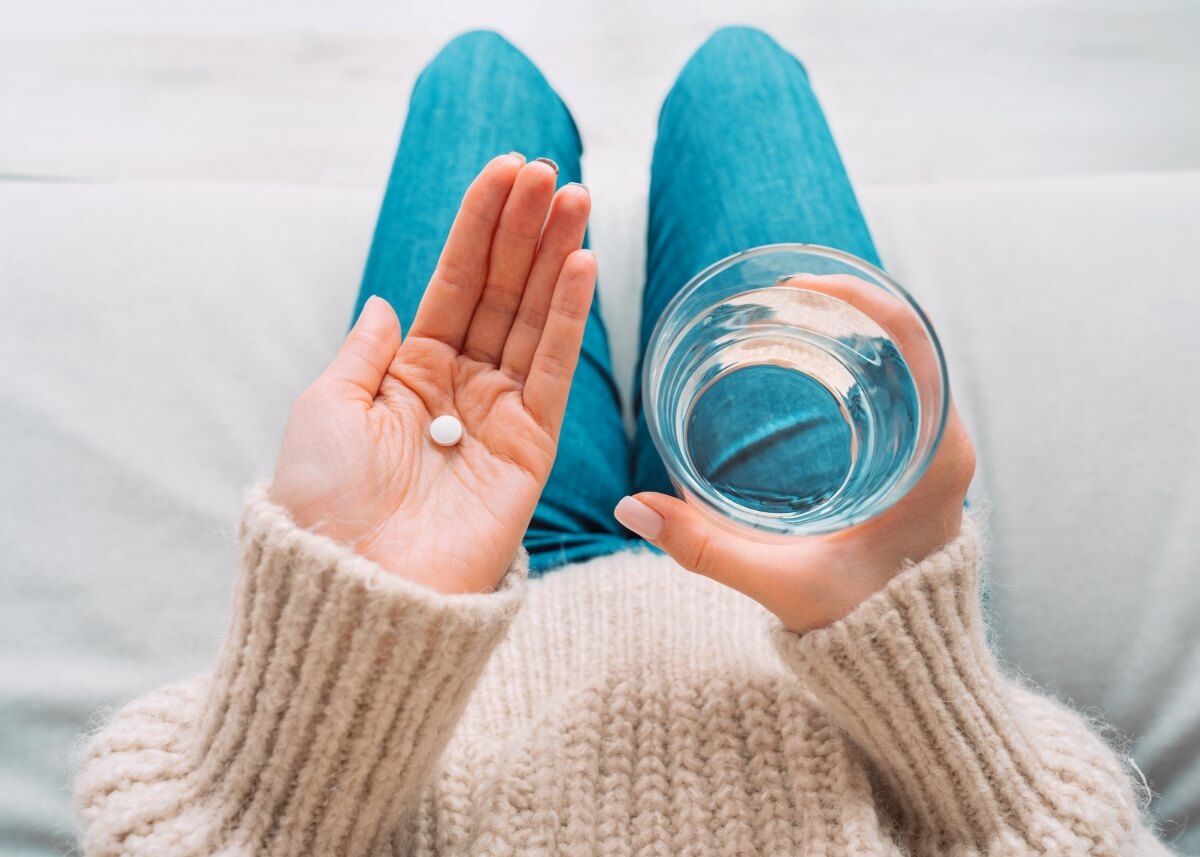
Plan B, also known as “the morning after pill”, is a type of emergency contraception used to prevent pregnancy following unprotected sex. Worrying about the possibility of a positive pregnancy test may have you leaning towards taking Plan B. There’s some important information you need to know first.
Plan B will not end a pregnancy that has already implanted in the uterus; it works to prevents pregnancy by temporarily delaying an egg from being released from the ovary.
The active ingredient is levonorgestrel, which is the same ingredient found in most birth control pills – only in higher doses.
Plan B was originally designed as a backup contraception, not a primary means for birth control. It is most effective when taken within 72 hours of unprotected sex. You can find it over the counter for about $50, but you should be aware of some side effects and cautions.
It is important to know that Plan B does not work on an already existing pregnancy. If an egg has already been fertilized and implanted in the uterus, Plan B will not be effective. Also, research shows that in people who weigh over 155 lbs, Plan B may be less effective. Most common side effects include nausea, vomiting, dizziness, fatigue, headache, breast tenderness, irregular bleeding during or between menstrual cycles, and uterine cramping.
Plan B claims an 84% effectiveness rate, which isn’t as effective as other methods of contraception, and it is not recommended for routine use. Taking Plan B repeatedly will expose you to higher hormone levels than standard contraceptive methods and is likely to cause more side effects, such as menstrual changes, headaches, or abdominal pain.
One of the biggest risks associated with overuse of Plan B is Sexually Transmitted Infections (STIs). Plan B does not provide any barrier protection from sexually transmitted infections, which are highly contagious and infect more than 25 million people in the United States. Correct use of condoms when you’re sexually active is advisable to help prevent the spread of STIs.
Overusing Plan B as birth control is just not an effective plan. There are other birth control options that provide a much higher effectiveness rate, are more affordable in the long term, and can protect you from STIs. Also, the hormonal changes women can experience causes unpleasant side effects and irregularities in the menstrual cycle. This makes it even more difficult to predict ovulation, which can lead to more unplanned pregnancies.
Alcove Health Women’s Clinic in Newport News, Virginia can help! Our trained advocates and Registered Nurses can talk with you about sexual health activity, pregnancy options, and STI testing – all in a safe and confidential space. We offer free services for pregnancy testing, ultrasounds, STI tests, material resources, and community referrals around Hampton Roads.
Call or click here for an appointment because your reproductive health is worth the time and information!
Have you changed your mind after taking the first abortion pill? Learn if abortion pill reversal is an option and...
Read MorePositive pregnancy test? Before having an abortion, here are 5 important things you should know first, and why they matter.
Read MoreUnexpected pregnancy? You don’t have to decide today. Learn your options, reduce pressure, and get free pregnancy tests, ultrasounds &...
Read MoreIf your husband wants you to get an abortion, learn how to recognize pressure, understand your legal rights, consider your...
Read More