
Same Day Appointments Available
Same Day Appointments Available
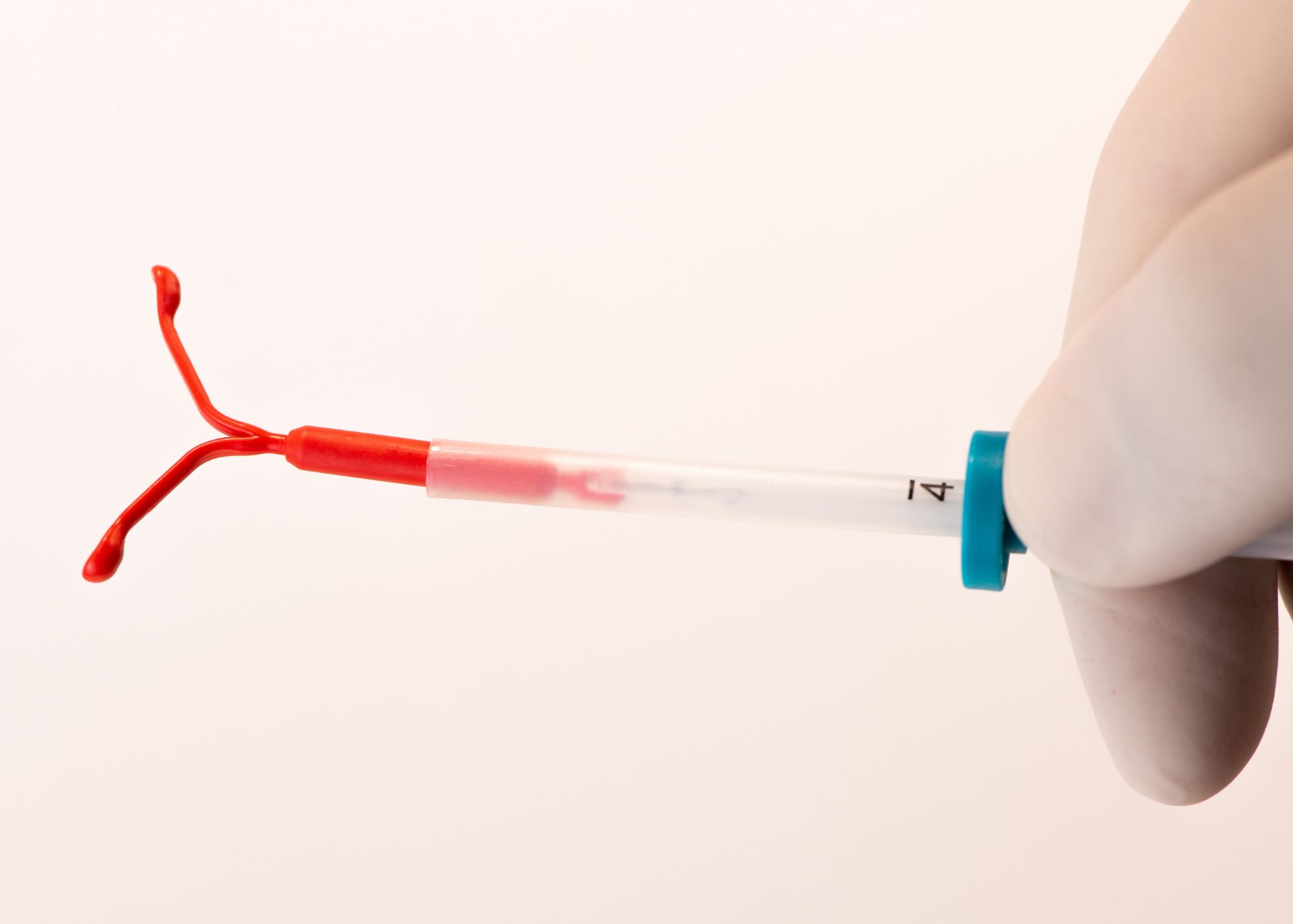
What is an IUD? An IUD (Intrauterine Device) is a small T-shaped device inserted into the uterus as a form of birth control. If you’re hoping to avoid a positive pregnancy test, you may be considering an IUD; it provides long-lasting, reliable protection against pregnancy and is reversible. IUDs are placed by a healthcare practitioner and are 99% effective for preventing pregnancy. There are two types: Hormonal and Non-Hormonal. IUDs can last from 3-10 years, based on the type you receive.
IUDs work by creating a hostile environment for sperm, making it so they cannot reach the fallopian tubes where fertilization of the egg takes place. More specifically, the non-hormonal IUDs work by causing an inflammatory response in the uterine lining, making the environment toxic to sperm and inhospitable to an implanting embryo. The hormonal IUDs release small amounts of progestin over time that thicken the cervical mucus and thin the uterine lining-both working to prevent pregnancy.
An IUD must be inserted by a healthcare professional. Many find the insertion process quite uncomfortable, with moderate abdominal pain, cramping, and pressure during the procedure. Taking an over-the-counter pain reliever before the procedure can help, and your appointment should take less than 30 minutes. Some of the side effects you should expect from an IUD include irregular periods, amenorrhea, or spotting between periods. Unfortunately, IUDs do not protect against STIs (sexually transmitted infections) so the use of condoms is recommended to reduce that risk.
You should not use an IUD if you:
You shouldn’t use copper IUDs if you have a copper allergy or Wilson’s disease, a genetic condition that causes copper to build up in your body. You shouldn’t use hormonal IUDs if you have severe liver disease or breast cancer. You shouldn’t use them if you’re considered high-risk for breast cancer.
Other possible risks include:
One of the awesome things about IUDs is that they can last for years — but they’re not permanent. If you decide to get pregnant or you just don’t want to have your IUD anymore, your healthcare provider can quickly and easily take it out. They have strings attached to them that extend into the vagina so they can remove it easily. You’re able to get pregnant right after the IUD is removed.
Intrauterine devices (IUDs) are considered a safe, effective, and convenient form of birth control. Weigh the pros and cons of getting an IUD with your healthcare provider. Understanding your reproductive health is a top priority.
Alcove Health is here to help with pregnancy testing, STI testing, ultrasounds, and pregnancy options. Call or click here for an appointment if you would like to receive any of these free and confidential services.

No posts found!