Same Day Appointments Available

Same Day Appointments Available

SAME-DAY APPOINTMENTS AVAILABLE

Period Care Tips: 6 Things to Avoid During Your Period - Alcove Health Women's Clinic Newport News, VA

Period Care Tips: 6 Things to Avoid During Your Period

Periods are an important sign of overall health. Learn how to care for your cycle - from hygiene and products to pain relief and when to seek help - so you can feel confident and in control.

For many women, periods are a regular part of life and typically go hand in hand with pregnancy. But more than just a sign that you don’t need to take a pregnancy test, your period is also deeply connected to your overall health. Some doctors even refer to it as your fifth vital sign. Knowing how to manage your menstrual cycles, what period products are available for you, hygienic practices, and what not to do are extremely beneficial and help you feel more confident and in control of your body.

What menstrual products are available?

You want to choose something that’s going to be comfortable and easy to manage for you.

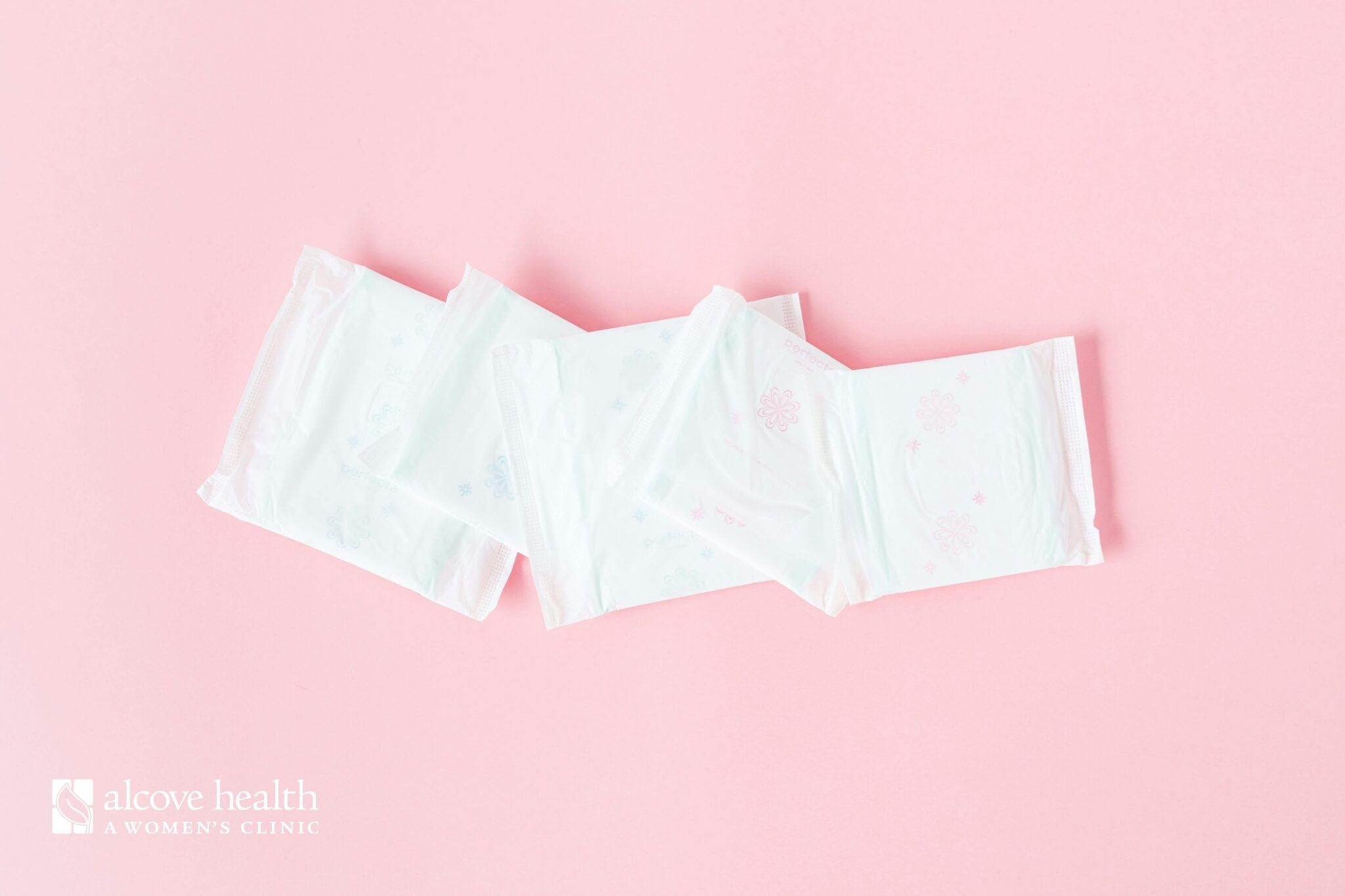
  1. Pads: best for beginners and easy to use; worn in underwear to absorb period blood
  2. Tampons: inserted vaginally to absorb period blood
  3. Menstrual cups: reusable silicone cup inserted into the vagina to collect menstrual blood rather than absorb it
  4. Period underwear: absorbent, reusable underwear worn in place of other period products

What are some basic hygiene tips?

Ideally, you should shower regularly, use a mild soap on the external genital area only, and avoid douching to prevent inflammation or infection.

Other helpful hygiene habits include:

  • Change pads every 4-6 hours
  • Change tampons every 4-8 hours; it is extremely important to remove tampons in a timely manner to prevent Toxic Shock Syndrome
  • Wash hands before and after changing products. Menstrual blood is still considered potentially biohazardous and able to transmit STDs.
  • If using reusable period products, such as a menstrual cup or period underwear, wash them thoroughly according to package directions.

How can I relieve pain and discomfort?

Menstrual cramps occur when the uterus contracts to shed its lining. They usually occur in your lower abdomen but can also radiate to your lower back and thighs.

Some ways to help reduce cramping and discomfort are:

  1. Heating pad: Heat can help relax the muscles causing cramps. Disposable heating pads can be worn under clothing, while plug-in heating pads work well for the lower back.
  2. Gentle movements: Light exercise, stretching, walking, or deep breathing can improve circulation and help reduce cramping.
  3. Warm herbal teas: Teas such as ginger, peppermint, or chamomile may help relax the body and reduce discomfort.
  4. Over-the-counter pain relievers: Medications like Ibuprofen, Acetaminophen, or Midol Complete can help reduce cramps when taken as directed.
  5. Wear comfortable clothing: Loose, comfortable clothing can reduce pressure on your abdomen and help with bloating.

Are there special nutrient tips?

Because your body loses blood and nutrients during menstruation, eating nourishing foods can support your energy levels, mood, and overall well-being.

Try to limit excessive caffeine, salty foods, and highly processed sugar as they may increase bloating or cramps. Staying hydrated by drinking plenty of water is also important.

Helpful foods include:

  • Iron-rich foods: spinach, beans, and red meat
  • Magnesium sources: nuts and dark chocolate
  • Hydrating foods: fruit and soup
  • Omega-3 foods: salmon and flaxseed

Taking a daily vitamin may also help replenish nutrients and reduce symptoms like cramps, PMS, mood changes, and fatigue.

Some popular women’s vitamins are:

Should you track your cycle?

Tracking your cycle can be extremely helpful for understanding your body. It helps you:

  • Predict when your next period may start
  • Identify your fertile window and ovulation days – useful if trying to get pregnant or avoiding the risk of pregnancy
  • Monitor the length and patterns of your cycle

Some women track their cycle using a paper calendar or journal, while others prefer using an app that automatically estimates fertile days and period timing. Choose the method that works best for you.

Popular cycle-tracking apps include:

  • Apple Health (free and already installed in every iPhone)
  • Clue ($9.99 monthly/$39.99 annual)
  • Flo ($11.49 monthly/$39.99 annual)

What should I avoid on my period?

  1. Don’t keep pads or tampons in too long as it can lead to irritation or infection.
  2. Don’t ignore severe pain. Some discomfort is normal, but severe pain, vomiting, or symptoms that interfere with daily life may indicate conditions such as Endometriosis or Polycystic Ovary Syndrome.
  3. Don’t use harsh soaps or douche products. The vagina naturally cleans itself. Scented products and douches can disrupt the natural bacteria balance and increase the risk of irritation or infection.
  4. Don’t wear tight clothing. It can worsen bloating, cause irritation, and increase the risk of yeast infections – especially if breathable cotton underwear isn’t worn.
  5. Don’t skip meals. Not eating can increase cramps, dizziness, and fatigue.
  6. Don’t ignore abnormal bleeding. Bleeding that soaks through a pad or tampon every hour for several hours, lasts longer than 7–8 days, or includes large clots may be abnormal. Bleeding between periods should also be evaluated by a healthcare provider to rule out hormonal changes, infections, birth control side effects, or other medical concerns.

🧠 Main Point: Your menstrual cycle is an important part of your health. Practicing good habits and understanding what to look for can help you feel confident and in control of your reproductive health.

If you’ve recently missed a period or had a positive pregnancy test, call us to schedule an appointment. We can help confirm your pregnancy, discuss your options, and, if needed, provide a same-day ultrasound to support you as you process your pregnancy.

Here at Alcove Health, all our services are free and confidential. Reach out today.

By Candra, Alcove Health Staff

May 12, 2026

LOCATION

HOURS

Find Out More Information On Our Blog