Same Day Appointments Available

Same Day Appointments Available

SAME-DAY APPOINTMENTS AVAILABLE

The 4 W's of the Dreaded Pap Exam - Alcove Health Women's Clinic Newport News, VA

THE 4 Ws OF THE DREADED PAP EXAM

A 10-minute test that can detect cancer before symptoms start? Here’s what a Pap exam really is, and why skipping it could cost you.

THE BASICS: What Is A Pap Exam/Pap Smear?

Most women have heard of a Pap exam (also known as a Pap smear), but many women don’t fully understand what a Pap exam is. A Pap exam is a routine screening that helps detect abnormal cervical cells. This exam can be performed by a primary care physician or an OB/GYN doctor and is generally part of a “Well Woman” Exam.

You may be asking yourself, what is an OB/GYN? OB is short for Obstetrics which is the care of pregnant women and their unborn baby. GYN is short for Gynecology and that is the branch of medicine which cares for women in general. An OB or GYN doctor is where a woman would go for things like a pap exam, pregnancy tests, ultrasounds, and STI testing. 

WHO Should Get A Pap?

Everyone with a uterus and cervix should get a Pap exam. If a woman has had a hysterectomy (and her cervix has been removed), she may no longer need a Pap but should speak with her provider regarding their recommendation for screenings.

WHAT Is A Pap Exam?

A Pap screening is a type of ‘well woman’ exam that involves obtaining a small sample of cervical cells that will then be sent to the lab and checked for abnormalities. The exam is routine and should only take about 10 minutes.

WHY Should You Get A Pap?

A Pap is an early cancer screening tool that helps identify abnormal cervical cells which, if left untreated, could lead to cancer. This screening is very important because it helps detect early cervical cancer, which often has NO symptoms. 

Often, providers will also check for something called HPV (Human Papilomavirus) while they perform the PAP exam. Many women show no signs or symptoms of HPV, yet statistics show that 80% of women will likely be infected with HPV in their lifetime. If untreated, HPV can lead to pre-cancerous lesions and can even lead to cervical cancer. 

WHEN Should YOU Get A Pap?

That is a good question, and the answer is…it depends!

If a woman is not sexually active, she should begin getting Pap exams starting at age 21. Women who ARE sexually active should begin getting Pap exams even sooner and should discuss timing with their provider.

HOW Is A Pap Performed?

Some women describe their Pap experience as awkward, especially when they don’t know what to expect.

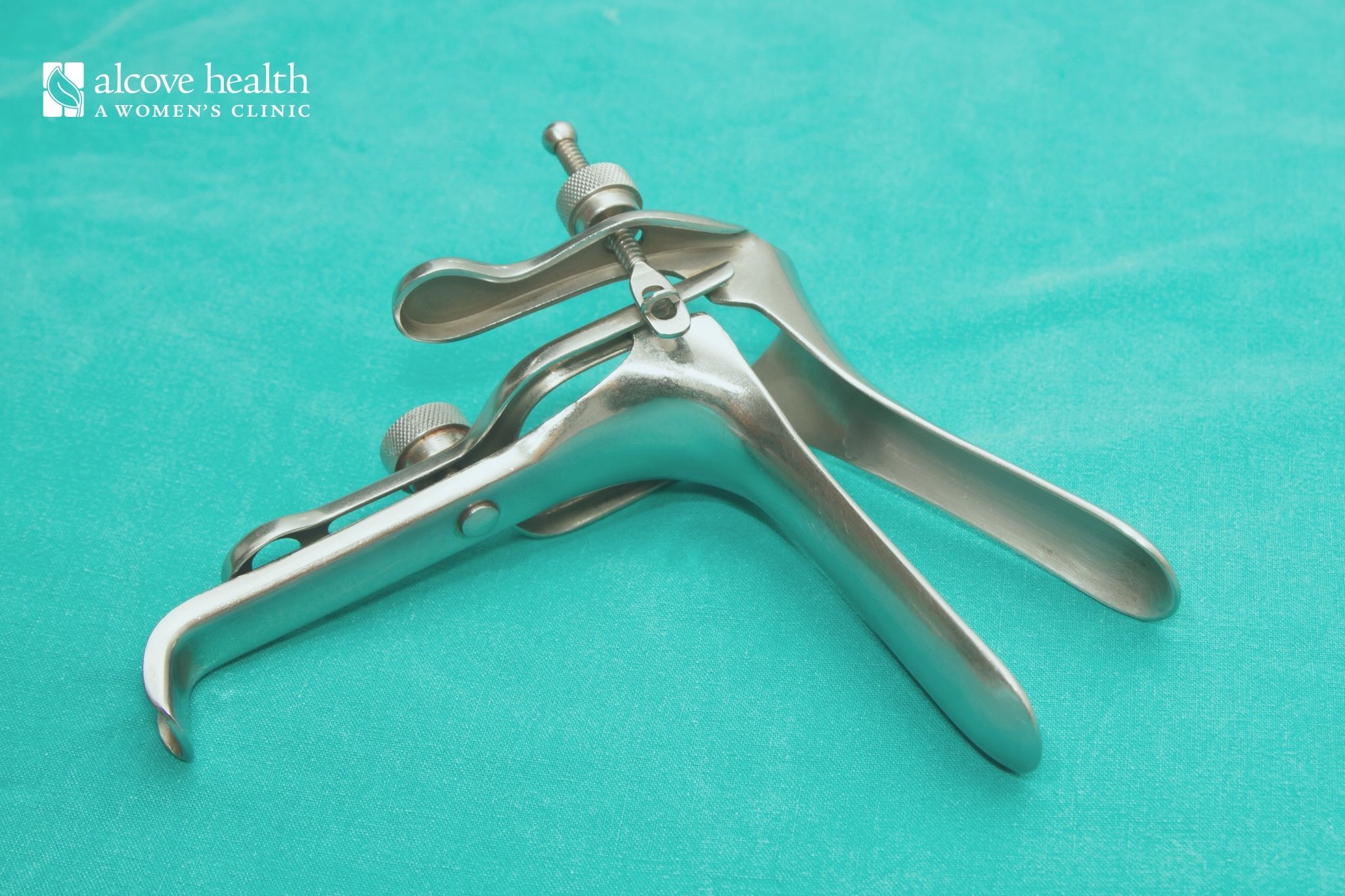
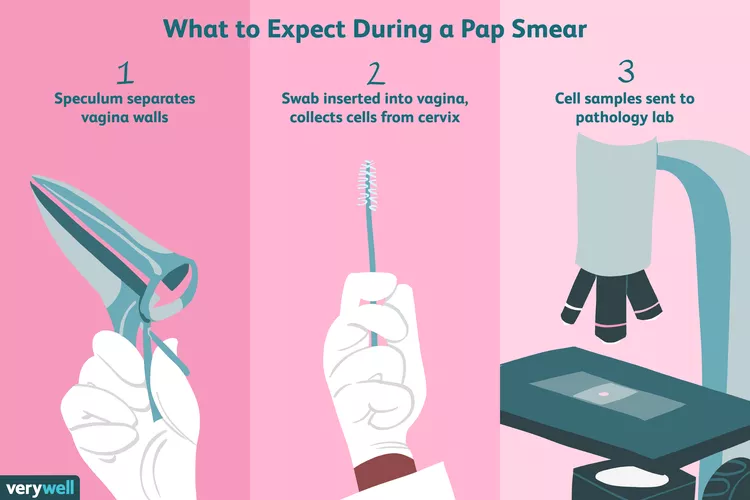
You will be asked to undress from the waist down. The provider will then insert a speculum into the vagina to obtain a better view of your cervix. Then, a swab that looks a lot like a mascara wand will be used to collect cells from the cervix.

When the cells are collected from the cervix, you may feel a slight pinch, but most women don’t describe the process as ‘painful’. The cells will then be sent to the lab.

HOW OFTEN Should You Get A Pap?

Pap screenings should be scheduled every 3 to 5 years depending on your age and history. Pap screenings can be scheduled with your OB/GYN, your Primary Care Provider, or sometimes through the health department.

Women in their 20s with a history of normal Pap exams should have a Pap screening and HPV testing every 3 years.

Women from 30-65 may only need a PAP and HPV testing every 5 years if they have a history of normal Pap exams.

Women older than 65 should speak with their provider about whether they still need to continue with Pap screenings.

If a woman has a history of multiple sexual partners or has had abnormal Pap exams, she may require more frequent screenings and should consult with her provider about her Pap schedule.

WHO Is At Risk For Cervical Cancer?

Any woman with a cervix could get cervical cancer.

But, you are at an increased risk for cervical cancer if you are a woman:

  • with a personal or family history of cervical cancer or cancer of the genital tract
  • with a history of multiple sexual partners
  • with a history of smoking
  • who began sexual activity at a young age
  • who has a history of abnormal Pap screenings
  • with a weakened immune system
  • who has had a sexually transmitted infection like chlamydia, gonorrhea, or herpes

If you have any of these increased risk factors, please speak with your provider about more frequent screenings.

Although Alcove Health Women’s Clinic does not perform Pap exams, we do provide pregnancy tests, limited STI testing, and screenings for same-day limited ultrasounds. All of our services are free. 

Call us or click the button below to request your free appointment today. Additionally, if you’d like a recommendation for a local provider for a Pap exam, we’re happy to provide that as well.

Michelle, RN, BSN

March 4, 2026

LOCATION

HOURS

Find Out More Information On Our Blog