Talking about sex can feel awkward. Learn 5 ways to discuss consent, boundaries, STI testing, pregnancy, and more with your...
Read MoreSame Day Appointments Available

Same Day Appointments Available
Stepping into adulthood means you’re suddenly making big decisions including the ones that affect your health. Adulting in healthcare, especially as a young adult, can feel overwhelming, confusing, and honestly a little scary – and no one talks about it!!
I’m still figuring it out myself. But the more equipped you are, the more confident you’ll feel when it’s time to walk into that doctor’s office.
Your goal is to find a provider you trust, especially if that means you are taking care of your health. It’s okay if it takes a few tries. You’re allowed to switch if the vibes are just off or if you feel unheard, uncomfortable, or dismissed.
In general, you should bring:
Extras that could be helpful:
Also helpful: Know some of your family medical history. You can use this form to help. They typically ask for this information in the paperwork and verbally. Ask your family members (like mom, dad, siblings, grandparents) ahead of time if you’re not sure.
Adulting in healthcare means you will be the one responsible for relaying this history, and you want it to be accurate.
Turning 18 means you are now in charge of your medical decisions. It also means you’ll have to sign a bunch of paperwork like:
This isn’t an all-inclusive list of the type of paperwork you’d see since it can vary.
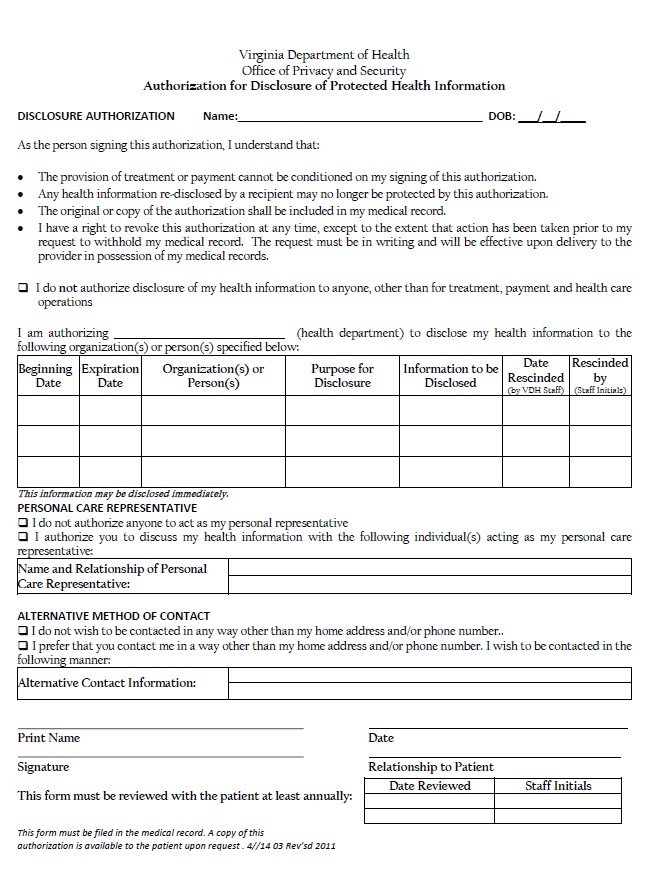
Most of it is pretty straightforward until you get to the privacy or HIPAA forms. Here’s an example:
Basically, this form is asking what medical information about YOU can they share with someone who might need your information to coordinate your care:
You can also choose NOT to share anything with anyone. If you don’t want to give consent, you don’t to. This is a plus to adulting in healthcare: you can say no.
When it comes to your care, YOU get to choose what you want.
Just because a provider is recommending it, doesn’t mean you have say “yes” to it. For example, a flu shot is recommended but not required. You can choose whether you want to get it or not regardless of what the provider says.
Don’t shy away from asking questions. It’s okay to ask:
You deserve to understand what’s happening in your body and your health decisions.
Unfortunately, healthcare is a business kind of like going to a mechanic. Sometimes they’ll list a whole bunch of things “wrong” with your car that you’re not even sure you need. Healthcare can feel the same way at times.
But that doesn’t mean every provider is trying to upsell you or act in bad faith. Just like finding an honest mechanic you trust, finding the right healthcare provider can take a little trial and error, and that’s completely okay.
I’m pretty new to this adulting in healthcare stuff myself. I recently had a consultation for braces. I don’t NEED braces right now. There’s no pain or any immediate issues, and to be honest I can’t afford them at the moment. The treatment plan they provided me with seemed a little over the top compared to a consultation I had a few years back.
This experience made me realize I want to get a second opinion before making a big decision and financial investment.
It would be a good idea to get a second opinion when:
Sometimes a provider will refer you to a specialist for specific concerns, but if they don’t, it’s absolutely okay to ask about that. Depending on the situation, it’s usually better to seek a second opinion sooner rather than later. Even if your concerns aren’t “urgent”, I’d keep it on your radar to get a second opinion at some point.
Remember: It’s okay to take some time, ask more questions, and get another perspective. Adulting in healthcare means giving yourself the space to think for yourself before you act.
In general, it’s normal to be nervous going to your first appointment ever as a young adult. It’s new and a little complicated. You don’t really know what you are doing and you get to make your own decisions.
It’s normal to be nervous about…
If you’re nervous about any part of it, that’s SO valid and you’re not weird for being nervous.
If your provider or medical office has a patient portal, use it! You can:
Sometimes you can also book appointments through the portal. It’s helpful because everything is in one place.
❌ Myth | ✅ Truth |
“If a doctor says it, I have to do it.” | You have the right to say no or ask questions. Consent matters in every part of healthcare. |
“I can’t switch doctors – it’s rude.” | Nope! If you feel uncomfortable or unheard, it’s okay to look for someone who does feel like the right fit. |
“I need insurance to get any care.” | Not always true. Places like Alcove Health offer free and confidential services – no insurance required. |
“I should already know how to handle this.” | No one is born knowing how to navigate healthcare. Asking questions and learning as you go is part of adulthood. |
“Being nervous means something’s wrong with me.” | Feeling nervous is completely normal – especially for first-time appointments. You’re not alone. |
Learning to advocate for yourself takes time and courage. You don’t need to have it all figured out, but you do deserve answers, respect, and care that honors you.
At Alcove Health Women’s Clinic, we walk alongside you with free and confidential services like pregnancy testing, ultrasounds, options consultations, and STI testing. Whether you’re unsure where to start or just need a safe place to ask questions, we’re here for you.
💬 Take that next step and schedule your free appointment today by phone or by appointment link button:
Q: Do I need to see a specific provider or go to a certain facility?
A: If you are already seeing a specific provider (or specialist), then yes; but if not, starting with a general practitioner/family medicine/primary care provider is the best place to start.
Q: What’s the difference between a premium, deductible, and copay for health insurance?
A: Your premium is your monthly payment just to have health insurance coverage. A deductible is the amount YOU have to pay BEFORE insurance will help you cover the cost. Finally, your copay is how much you pay for each service/visit after insurance covers it.
Q: How do I know what my health insurance covers?
A: You can typically find this information in your health insurance portal or website. Don’t be afraid to ask someone too.
Talking about sex can feel awkward. Learn 5 ways to discuss consent, boundaries, STI testing, pregnancy, and more with your...
Read MoreAre you in the process of choosing and OB/GYN? Check out these 8 questions that will help you get it...

Read MoreWhat should you avoid during pregnancy? Check out these 5 important things to skip for a healthier pregnancy and baby.

Read MoreHave you changed your mind after taking the first abortion pill? Learn if abortion pill reversal is an option and...

Read More