Same Day Appointments Available

Same Day Appointments Available

SAME-DAY APPOINTMENTS AVAILABLE

The Risks of Plan B: What If You Take It often? Alcove Health Women's Clinic Newport News, VA

the risks of plan b: what if you take it often?

It was created to be an emergency use medication, not the main means of birth control. For repeated and frequent use, there are additional risks of Plan B.

It’s a frightening moment. The minute you realize you didn’t use protection at a time in the month when you could get pregnant. But what can you do? It may be too soon to take a pregnancy test to know for sure, so you’re considering taking Plan B. But what are the risks of Plan B? 

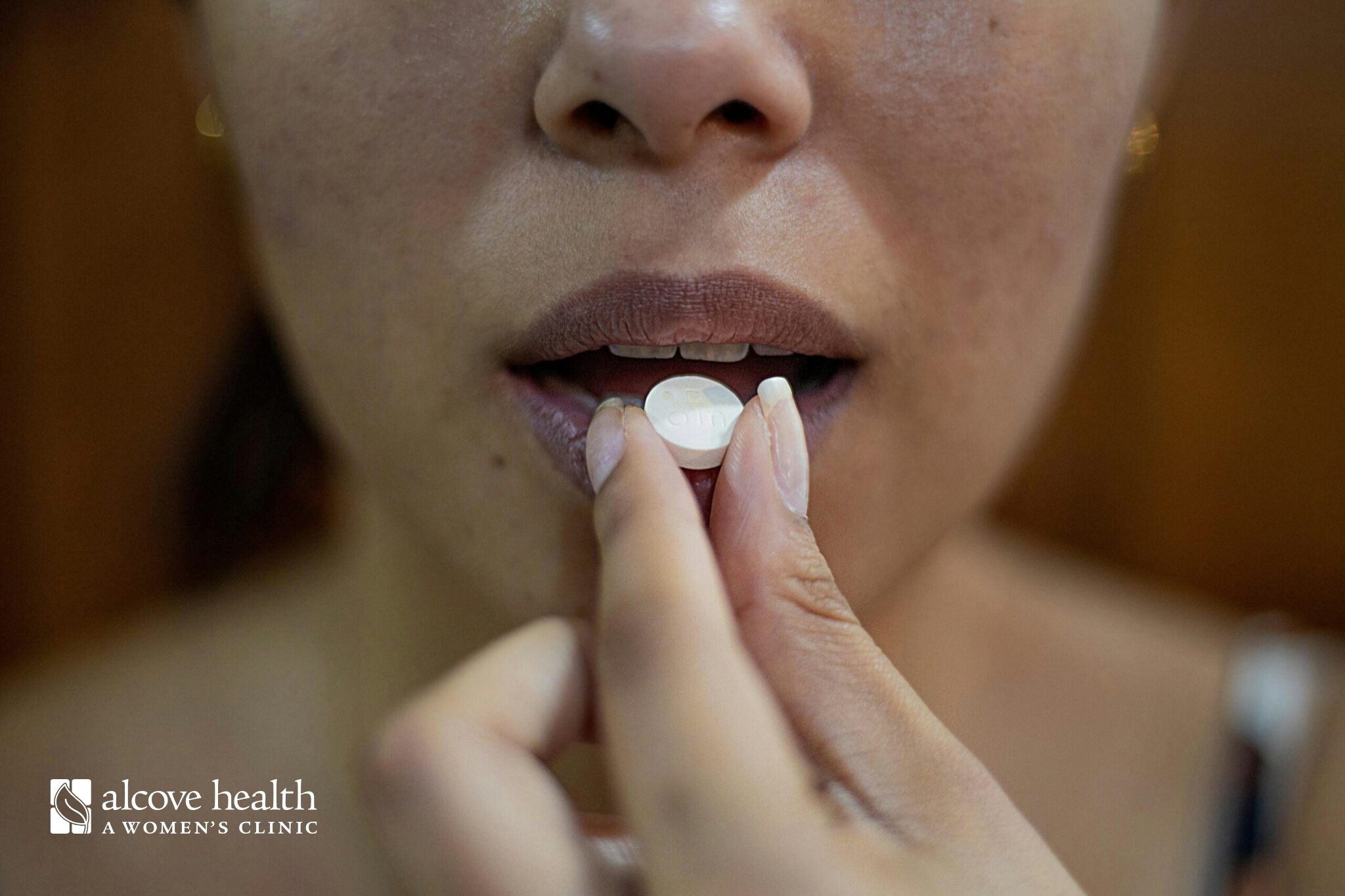
Plan B is considered emergency contraception. You may have also heard it called “the morning-after pill.”  It’s intended for use in instances when you had unplanned sex (like an assault, or a hookup) or you used protection, but you’re concerned it didn’t get the job done (due to something like a broken condom or a missed birth control pill).

Plan B will not end a pregnancy that has already implanted in the uterus; however, if taken within 72 hours of unprotected sex, it prevents pregnancy by temporarily delaying an egg from being released from the ovary.

One of the risks of Plan B is that it may be less effective in women who are overweight or obese. There are also possible side effects of Plan B:

  • Nausea
  • Vomiting
  • Dizziness
  • Fatigue
  • Breast Tenderness
  • Irregular menstrual bleeding
  • Cramping of the uterus

Plan B was created to be an emergency use medication, not the main means of birth control. But for some, Plan B has become a regular part of their “birth control plan.” They are not taking additional measures to prevent pregnancy and thus, they take Plan B frequently. For repeated and frequent use, there are additional risks:

  • Contracting an STI. One of the risks of Plan B is that it does not protect against STIs (sexually transmitted infections). So, relying on it as your sole plan for preventing a pregnancy still leaves you vulnerable to exposure to an STI. STIs are highly contagious and some cannot be cured. There are more than 20 million estimated new cases of STIs in the US annually – and cases are rising.


  • Plan B is only effective 84% of the time – which isn’t great for pregnancy protection (and, as mentioned, zero protection from STIs). Other methods of contraception have a higher pregnancy prevention rate.
  • Plan B contains levonorgestrel, which is the same ingredient found in most birth control pills; however, the dose is higher in Plan B. Repeatedly taking Plan B will expose you to higher hormone levels than other contraceptive methods on a more frequent basis. This is likely to cause more side effects, such as changes in your menstrual cycle, headaches, or abdominal pain.
  • The hormonal changes from repeated use can cause irregularities in your menstrual cycle, which could lead to more unplanned pregnancies. While being used to prevent pregnancy, repeated use of Plan B may make it difficult to preventing future pregnancies due to irregular menstrual cycles.

Plan B doesn’t undo an already existing pregnancy, and, as noted, it’s not 100% effective at preventing pregnancy. If you’re concerned you may be pregnant, even though you’ve taken Plan B, Alcove Health Women’s Clinic is here to help you get the advocacy and medical services you need to make the best decision for your reproductive health.

With services including lab-grade pregnancy testing, ultrasounds, and STI testing, Alcove Health can provide you with the free and confidential services you need to get the information you need to plan your next step. Call or visit our appointment page today to request your appointment.

By Kinta, RN, BSN

April 10, 2025

LOCATION

HOURS

Find Out More Information On Our Blog